top of page
fullsizeoutput_6f9.jpeg

Stay up to date on all things mental health on the blog!

Search

In the realm of romantic relationships, expectations play a pivotal role in shaping the dynamics between partners. While it's natural to harbor hopes and dreams for a fulfilling connection, cultivating realistic expectations is essential for fostering a healthy and lasting bond.


The Foundation: Clear Communication of Expectations and Boundaries


Establishing open communication from the outset is crucial. Clearly expressing expectations and setting boundaries creates a foundation of understanding, reducing the likelihood of misunderstandings down the road. For instance, if one partner values frequent communication while the other appreciates more independence, acknowledging and discussing these preferences early on can prevent friction later in the relationship.


Realistic vs. Unrealistic Expectations


Realistic expectations are grounded in an understanding of both partners' strengths, weaknesses, and individual goals. Unrealistic expectations, on the other hand, often stem from societal norms, unrealistic portrayals in media, or unspoken assumptions.


Example 1: Career Ambitions


Realistic expectation: Supporting each other's career goals while maintaining a healthy work-life balance.


Unrealistic expectation: Expecting a partner to prioritize your career over theirs without considering their aspirations.


Example 2: Quality Time


Realistic expectation: Finding a balance between shared activities and individual interests.


Unrealistic expectation: Demanding constant attention without allowing space for personal growth and space.


The Impact of Unrealistic Expectations


Unrealistic expectations can lead to disappointment, resentment, and strain on the relationship. Acknowledging that no one is perfect and embracing imperfections can pave the way for a more understanding and resilient partnership.


The Evolution of Expectations


As a relationship matures, it's natural for expectations to evolve. Open communication remains paramount as couples navigate life changes, career shifts, and personal growth. Adapting expectations to align with the reality of the relationship ensures that both partners feel heard and valued.

Embracing realistic expectations and fostering clear communication sets the stage for a fulfilling and enduring romantic relationship. By understanding the uniqueness of each partner and acknowledging the ever-changing nature of love, couples can build a connection that withstands the test of time.


If you are looking for some books on boundary setting:


Set Boundaries, Find Peace by Nedra Glover Tawwab


Boundaries by Dr. Henry Cloud and Dr. John Townsend
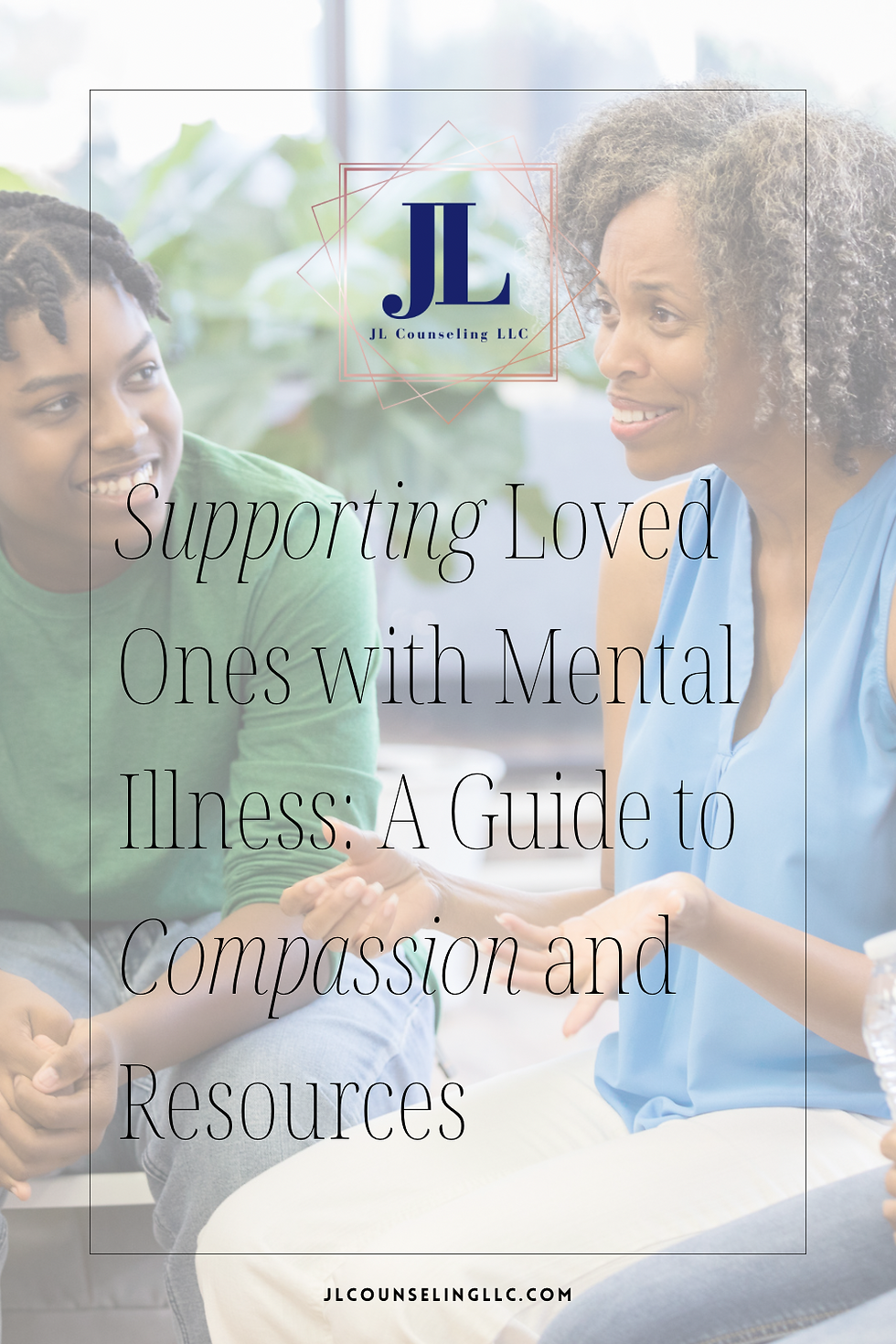


Mental illness affects millions of people worldwide, and many of us have loved ones who struggle with these challenges. Being supportive and understanding can make a significant difference in their journey to recovery and well-being. In this blog post, we'll explore practical ways to support your loved ones with mental illnesses and provide resources to help you navigate this path together.


1. Educate Yourself


Understanding mental illnesses is the first step to being supportive. Take the time to educate yourself about different mental health conditions, symptoms, and available treatments. Knowledge is empowering and will help you be more empathetic and informed when discussing your loved one's struggles.


Resources:

- National Alliance on Mental Illness (NAMI): https://www.nami.org/

- Mental Health America: https://www.mhanational.org/

- Centers for Disease Control and Prevention (CDC): https://www.cdc.gov/mentalhealth/


2. Listen and Communicate


Communication is key in any relationship, especially when supporting someone with a mental illness. Create a safe and non-judgmental space where your loved one feels comfortable talking about their experiences and feelings. Encourage open dialogue, and be an active, empathetic listener.


3. Offer Your Support


Express your willingness to be there for your loved one. Offer your assistance without judgment, whether it's accompanying them to therapy, helping with daily tasks, or simply being a shoulder to lean on. Let them know you're in this together.


4. Avoid Stigmatizing Language


Words have a powerful impact. Avoid using stigmatizing language when talking about mental illness. Be mindful of your choice of words, and encourage others to do the same. This promotes a more understanding and compassionate environment.


5. Encourage Professional Help


While your support is invaluable, it's essential to encourage your loved one to seek professional help. Mental health professionals are trained to provide the necessary care and guidance for those with mental illnesses. Offer assistance in finding a therapist or psychiatrist if needed.


Resources:

- Psychology Today's Find a Therapist: https://www.psychologytoday.com/us/therapists

- SAMHSA's National Helpline: 1-800-662-HELP (4357)


6. Self-Care


Supporting a loved one with a mental illness can be emotionally taxing. Don't forget to take care of yourself. Ensure you have a support network, engage in self-care, and consider joining a support group for caregivers. You need to be in good mental health to provide effective support.


Resources:

- Caregiver Action Network: https://caregiveraction.org/


7. Be Patient


Recovery from mental illness is not a linear process. It can be filled with ups and downs. Be patient and understanding with your loved one, and avoid pressuring them. Celebrate their small victories, and offer reassurance during challenging times.


8. Respect Boundaries


Respecting your loved one's boundaries is crucial. Mental illness can be isolating, and sometimes they might need space. Always check in and ask if they would like your company or assistance before providing it.


9. Stay Informed about Medications


If your loved one is prescribed medications, familiarize yourself with the prescribed drugs, their side effects, and any potential interactions. This knowledge will help you support them through the treatment process.


Resources:

- WebMD's Medication and Pill Identifier: https://www.webmd.com/drugs/search.aspx


Supporting loved ones with mental illnesses is a journey that requires compassion, patience, and dedication. By educating yourself, being a good listener, offering assistance, and encouraging professional help, you can make a positive impact on their lives. Remember, you're not alone in this; there are numerous resources available to help both you and your loved one on this challenging but ultimately rewarding path to recovery.


The holiday season, often associated with joy and celebration, can sometimes bring about a different set of emotions known as the "holiday blues." It's a common phenomenon that affects many people during this time of year. In this blog post, we'll explore what the holiday blues are, their potential causes, common symptoms, and effective ways to cope with them.


What are the Holiday Blues?

The holiday blues, also known as the Christmas blues or seasonal sadness, refer to a temporary feeling of sadness, loneliness, or depression that some individuals experience during or around the holiday season. Unlike clinical depression, the holiday blues are typically short-lived and tied to specific events or circumstances.

Causes of the Holiday Blues

Several factors can contribute to the onset of the holiday blues:


1. Social Isolation: The emphasis on spending time with loved ones can intensify feelings of loneliness in those who are isolated or separated from family and friends.


2. Unrealistic Expectations: High expectations for the "perfect" holiday, whether in terms of gifts, parties, or family gatherings, can lead to disappointment and stress when reality doesn't measure up.


3. Financial Stress: The financial burden of gift-giving and holiday-related expenses can lead to anxiety and sadness, especially if budgets are tight.


4. Grief and Loss: The holiday season can serve as a painful reminder of loved ones who are no longer present, causing grief and sadness.


5. Seasonal Affective Disorder (SAD): Some people experience a form of depression known as SAD during the winter months, which can overlap with the holiday season.

Symptoms of the Holiday Blues

Recognizing the symptoms of the holiday blues is crucial for addressing them effectively. Common signs include:


1. Feeling Sad or Anxious: Persistent feelings of sadness, anxiety, or irritability during the holidays.


2. Social Withdrawal: A desire to isolate oneself from social events and activities.


3. Changes in Sleep Patterns: Difficulty sleeping or oversleeping.


4. Changes in Appetite: Overeating or loss of appetite.


5. Physical Symptoms: Headaches, muscle tension, and other physical manifestations of stress.


6. Lack of Interest: A decrease in interest or pleasure in activities that were once enjoyable.

Coping Strategies for the Holiday Blues

If you find yourself experiencing the holiday blues, there are several effective coping strategies you can employ:


1. Set Realistic Expectations: Reevaluate and adjust your expectations for the holiday season. Recognize that perfection is not necessary for a happy holiday.


2. Reach Out for Support: Connect with friends and family members, or consider seeking professional help if your feelings are overwhelming.


3. Create New Traditions: Start new, enjoyable holiday traditions or volunteer to help others in need. These activities can provide a sense of purpose and fulfillment.


4. Manage Finances: Set a budget for your holiday spending and stick to it. Consider creative, low-cost gift options.


5. Self-Care: Prioritize self-care through activities like meditation, exercise, and proper nutrition.


6. Plan Ahead: Plan for challenging social situations, and develop strategies for managing stress and setting boundaries.

The holiday blues can affect anyone, but by recognizing the causes and symptoms and employing effective coping strategies, you can minimize their impact and make the holiday season a more enjoyable and less stressful time. Remember that it's okay to seek help and prioritize your mental well-being during this time of year.


Happy Holidays from JL Counseling!


Currently Accepting New Patients in Louisiana, Georgia, and Texas!

​

1545 Line Avenue Suite 330E

Shreveport, LA 71101

wellness@jlcounselingllc.com

By appointment only

Tel: 318-759-7865

Fax: 318-656-3729

  • Twitter
  • YouTube
  • Instagram
  • Black Facebook Icon
What state do you reside in? JL Counseling can ONLY provide counseling services to those licensed in the following states: Required
How will you be investing in your services? Required

Thanks for contacting JL Counseling! We will contact you within 1-2 business days.

© 2024 by JL Counseling. All Rights Reserved.

bottom of page